
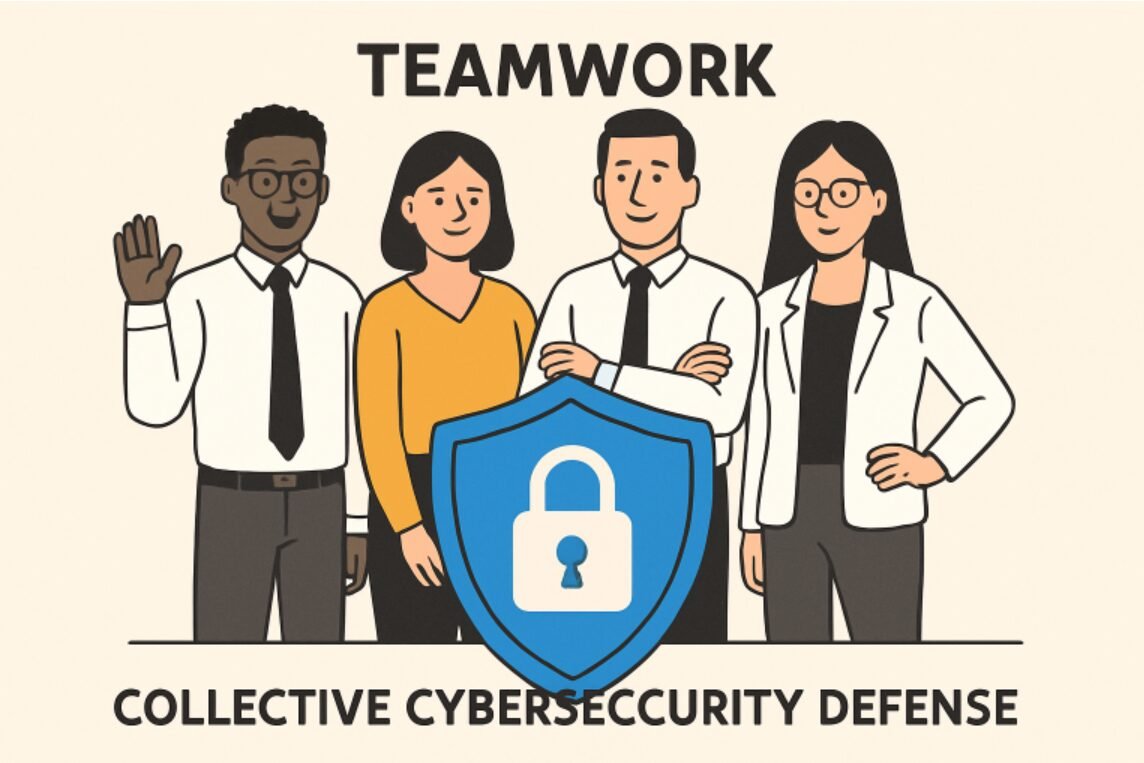
In today’s interconnected business world, the risks associated with data breaches and cyber threats are higher than ever. Building a strong security culture is essential for organizations to safeguard sensitive information, maintain trust, and sustain long-term growth. Implementing targeted security training and simulation programs can empower employees to recognize potential threats, such as phishing attacks, and act as the frontline defense against cybercriminals. Companies like Traliant offer practical training tools that can effectively reduce human risk.
Cultivating a security-first mindset requires more than just technology—it depends on leadership setting the tone, ongoing employee education, transparent communication, and reinforced behaviors. When everyone from senior executives to entry-level staff is invested in workplace security, organizations become more resilient and adaptive in a rapidly evolving threat landscape.
Leadership Commitment
The foundation of a robust security culture starts with leadership. Executive commitment ensures that security is not just an IT issue but an organizational priority woven into the company’s values and strategic objectives. Leaders set expectations by modeling good security behavior, allocating resources for security initiatives, and holding teams accountable. For example, Microsoft’s approach to creating a resilient security posture illustrates the impact of vocal, ongoing leadership support. This commitment sends a clear message that security is everyone’s responsibility, not just a select group of experts.
Continuous Education and Training
Cybersecurity awareness must be an ongoing process, not a one-off event. Cyber threats continually evolve, with attackers crafting more sophisticated phishing campaigns and exploiting new vulnerabilities every day. By investing in advanced training that includes real-life scenarios and interactive simulations, organizations can turn employees into informed defenders. Customizing programs based on roles ensures relevancy—finance staff, for instance, may need specialized training on invoice fraud, while IT teams benefit from deeper threat-hunting exercises. Regular refresher sessions, up-to-date resources, and performance reviews help sustain a vigilant workforce. For organizations seeking guidance, CSO Online explores effective security awareness training strategies. Employees who feel confident in recognizing and reporting threats are more likely to act proactively, thereby reducing the risk of breaches. Building a culture where cybersecurity is a shared responsibility ensures long-term resilience against evolving attacks.
Open Communication Channels
Strong security cultures encourage open and honest communication. Employees should have a safe way to report incidents, whether it’s clicking on a suspicious link or noticing a colleague bypassing company protocols. Establishing multiple reporting channels—such as confidential hotlines, dedicated email addresses, or in-person security ambassadors—removes barriers to sharing concerns. Communication should also go both ways, with regular updates from security teams about emerging threats or recent incidents. In organizations that prioritize transparency, risks are flagged and addressed more quickly, minimizing potential damage.
Recognition and Rewards
Positive reinforcement is a powerful motivator for building long-lasting habits. Public acknowledgments, performance-based incentives, or peer-nominated awards for secure behaviors can transform security from a checklist item into a core aspect of company culture. Celebrating employees who consistently demonstrate vigilance—such as reporting phishing attempts or identifying unusual account activity—reinforces the expectation of proactive participation and demonstrates that everyone’s contributions matter.
Clear Policies and Procedures
Comprehensive security policies are essential tools for setting expectations and guiding employee behavior. These should clearly outline topics such as acceptable use of company devices, remote work protocols, password management, and incident reporting. Policies need to be accessible, regularly updated, and communicated in plain language so everyone—from technical to non-technical staff—understands what’s required of them. Consistency in applying these procedures fosters a sense of fairness and shared responsibility across the organization.
Regular Security Assessments
Proactive organizations regularly test their security defenses and incident response measures. Tabletop exercises and simulated attacks allow teams to practice detection, reporting, and recovery from potential threats. Security assessments also help uncover blind spots, verify compliance, and provide valuable feedback for continuous improvement.
Employee Involvement
When employees are involved in shaping policies and planning incident responses, they feel a greater sense of responsibility for security outcomes. Establishing cross-departmental security teams, hosting open feedback sessions on controls, or allowing staff to recommend security champions can strengthen engagement and trust. Such initiatives not only enhance security measures but also cultivate a shared sense of purpose that supports long-term commitment.
Employees who feel empowered tend to stay alert and report suspicious activity proactively. Consistently acknowledging and rewarding contributions to security reinforces good practices and motivates continued participation. Over time, this team-oriented approach turns security from a top-down directive into a shared organizational responsibility.
Leveraging Technology
Advanced security technologies amplify human vigilance. AI-driven threat intelligence platforms, real-time intrusion detection systems, and integrated security operations centers enable faster threat identification and remediation. Automation also helps reduce alert fatigue and ensures timely, consistent responses. By combining these tools with human intuition and experience, organizations can build a multilayered defense posture.
Fostering a robust security culture is not a one-time project but an organizational commitment. Through proactive leadership, continual education, clear policies, and empowered employees, every organization can strengthen its defenses and build a culture where security is second nature. Security awareness becomes most effective when reinforced through regular practice, simulated scenarios, and open communication channels. Ultimately, organizations that integrate technology, training, and culture create a resilient environment that adapts to evolving threats.