
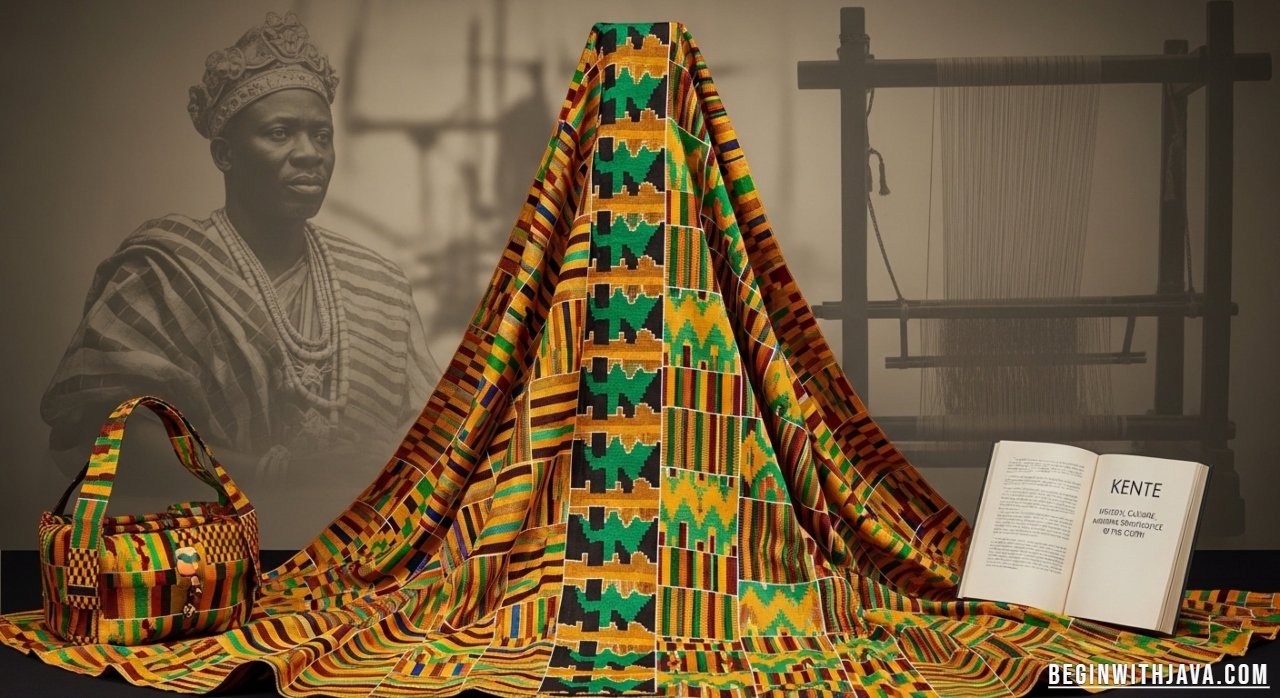
Kente is one of Africa’s most iconic textiles, representing history, culture, and identity. Originally from the Ashanti and Ewe people of Ghana, this vibrant handwoven cloth is renowned for its bold colors, intricate patterns, and symbolic meanings. Beyond being a simple fabric, kente serves as a cultural artifact, ceremonial garment, and expression of social status.
Over the years, kente has transcended regional boundaries and gained international recognition, appearing in fashion, academic regalia, and global cultural events. Moreover, it is celebrated for its craftsmanship, aesthetic appeal, and deep-rooted symbolism.
This article explores the history, weaving techniques, cultural significance, varieties, modern adaptations, and global influence of kente.
History of Kente
Kente has a rich history dating back several centuries. According to oral tradition, the Ashanti people developed kente weaving techniques around the 17th century. It was originally reserved for royalty and special ceremonies, symbolizing wealth, prestige, and leadership.
Furthermore, kente was used to communicate messages and tell stories through patterns and colors. Each design carries a name and meaning, often linked to proverbs, historical events, or philosophical concepts.
In addition, kente spread to neighboring regions, including Togo and Ivory Coast, as weaving techniques and cultural exchange flourished. As a result, kente became a unifying symbol of West African identity and artistry.
Weaving Techniques of Kente
Kente is traditionally woven on a narrow strip loom called a “strip loom” or “loom frame.” The weaving process is highly labor-intensive and requires skill and precision.
Materials Used
Kente was originally woven from silk and cotton, with threads dyed using natural dyes. Nowadays, synthetic threads are sometimes used to reduce costs, although traditional silk kente remains highly prized.
Patterns and Colors
Patterns in kente are highly symbolic. Common motifs include geometric shapes, zigzags, and squares, each conveying meaning. Colors are also significant:
- Black: Maturity, spiritual energy, and mourning
- Blue: Peace, harmony, and love
- Gold/Yellow: Royalty, wealth, and status
- Green: Growth, harvest, and renewal
- Red: Political struggle, sacrifice, and strength
In addition, the combination of patterns and colors communicates specific messages, allowing the cloth to serve as a form of non-verbal storytelling.
Strip Weaving Process
Weaving is done in narrow strips that are later sewn together to form larger garments. This method allows for detailed patterns and flexibility in garment design. Skilled weavers spend weeks creating even a single piece of kente due to its complexity.
Cultural Significance
Kente is not just a fabric; it embodies cultural identity, values, and traditions.
Ceremonial Use
Kente is worn during important events such as weddings, funerals, and festivals. For example, royalty and chiefs traditionally don kente to symbolize authority and prestige.
Symbol of Identity
Beyond ceremonial use, kente represents personal and ethnic identity. Wearing specific patterns can convey social status, family lineage, or personal achievements. Moreover, it fosters a sense of pride and connection to cultural heritage.
Educational and Academic Significance
In modern times, kente has been incorporated into academic regalia in the United States and other countries. Graduates wear kente stoles to honor African heritage and achievements. This adaptation reflects the cloth’s symbolic versatility and international reach.
Types of Kente
There are several types of kente, each with unique patterns, colors, and cultural contexts.
Ashanti Kente
Originating from the Ashanti kingdom, this type is often more formal and elaborate. Additionally, it features symbolic patterns that convey messages of leadership and social status.
Ewe Kente
Ewe kente is known for its bold geometric patterns and bright colors. In contrast to Ashanti kente, Ewe designs are often more experimental and visually striking.
Contemporary Kente
Modern kente blends traditional techniques with contemporary aesthetics. For example, designers may use unconventional color combinations or integrate kente patterns into accessories, dresses, and modern attire.
Kente in Modern Fashion
Kente has influenced global fashion trends. Designers incorporate kente patterns in haute couture, streetwear, and accessories. Moreover, it appears in cultural exhibitions, runway shows, and even mainstream retail collections, celebrating African heritage on a global stage.
Everyday Wear
While historically reserved for special occasions, contemporary kente is used in casual and professional attire. As a result, the cloth has become more accessible to broader audiences while retaining its cultural significance.
Accessories and Decor
Kente is also featured in bags, shoes, home décor, and ceremonial items. This adaptation ensures that the artistry of kente continues beyond traditional garments.
Preserving Kente Tradition
Despite modernization, preserving traditional kente weaving is vital.
Training New Weavers
Programs and workshops aim to train younger generations in kente weaving techniques. Furthermore, these initiatives help sustain cultural heritage and provide economic opportunities.
Ethical Practices
Supporting authentic, handwoven kente ensures the survival of traditional craftsmanship. In contrast, mass-produced synthetic versions may undermine cultural and economic sustainability.
Cultural Education
Educating communities about kente’s history, symbolism, and significance promotes appreciation and respect. Therefore, cultural preservation becomes a shared responsibility among artisans, consumers, and educators.
Global Influence of Kente
Kente has crossed international boundaries and is celebrated worldwide.
African Diaspora
Kente stoles and garments are worn by people of African descent globally to honor heritage, particularly during graduations, cultural events, and festivals. For example, Black History Month celebrations often feature kente as a symbol of African pride.
Popular Media
Kente patterns appear in films, music videos, and fashion magazines, increasing global visibility and appreciation. Additionally, international designers have adapted kente aesthetics, blending tradition with modern trends.
Cultural Diplomacy
Kente has been gifted to world leaders and featured in international exhibitions, symbolizing Ghanaian culture and African artistry. As a result, it serves as a tool for cultural diplomacy and global recognition.
Tips for Wearing Kente
- Respect cultural context: Use kente appropriately for ceremonies or events.
- Pair thoughtfully: Combine traditional patterns with modern attire for balance.
- Understand symbolism: Learn the meaning of patterns and colors before wearing.
- Support authentic weaving: Purchase from reputable artisans to honor tradition.
Conclusion
Kente is more than a vibrant textile; it is a living symbol of history, culture, and identity. Moreover, its intricate patterns and symbolic colors communicate messages that transcend time and geography.
From its origins in Ghana to its global presence, kente continues to inspire fashion, art, and cultural pride. Therefore, preserving the tradition and understanding its significance ensures that future generations appreciate its beauty and meaning.
Kente’s blend of artistry, heritage, and symbolism makes it an enduring emblem of African culture, connecting the past with the present and inspiring creativity worldwide.